Exploring Spokane's Garland District For Home Shoppers
June 4, 2026
June 4, 2026
Looking for a Spokane neighborhood with real character, local favorites, and homes that do not all feel the same? The Garland District stands out for exactly that reason. If you are home shopping in Spokane and want a closer look at what daily life and housing options feel like here, this guide will help you understand what makes Garland unique and what to watch for as you search. Let’s dive in.
The Garland District is the historic commercial core within Spokane’s North Hill neighborhood. It centers around North Garland Avenue and North Monroe Street, and the broader North Hill area is generally oriented between Francis, Division, Ash, and Courtland or Cora.
For home shoppers, that matters because Garland is not just a single retail strip. It is part of an established in-town neighborhood with a long history, a connected street grid, and a mix of residential and commercial uses that shape how the area feels day to day.
If you are drawn to older Spokane neighborhoods, Garland may feel like a natural fit. City neighborhood profiles describe North Hill as an area that grew during the streetcar era, and that history still shows up in the housing stock today.
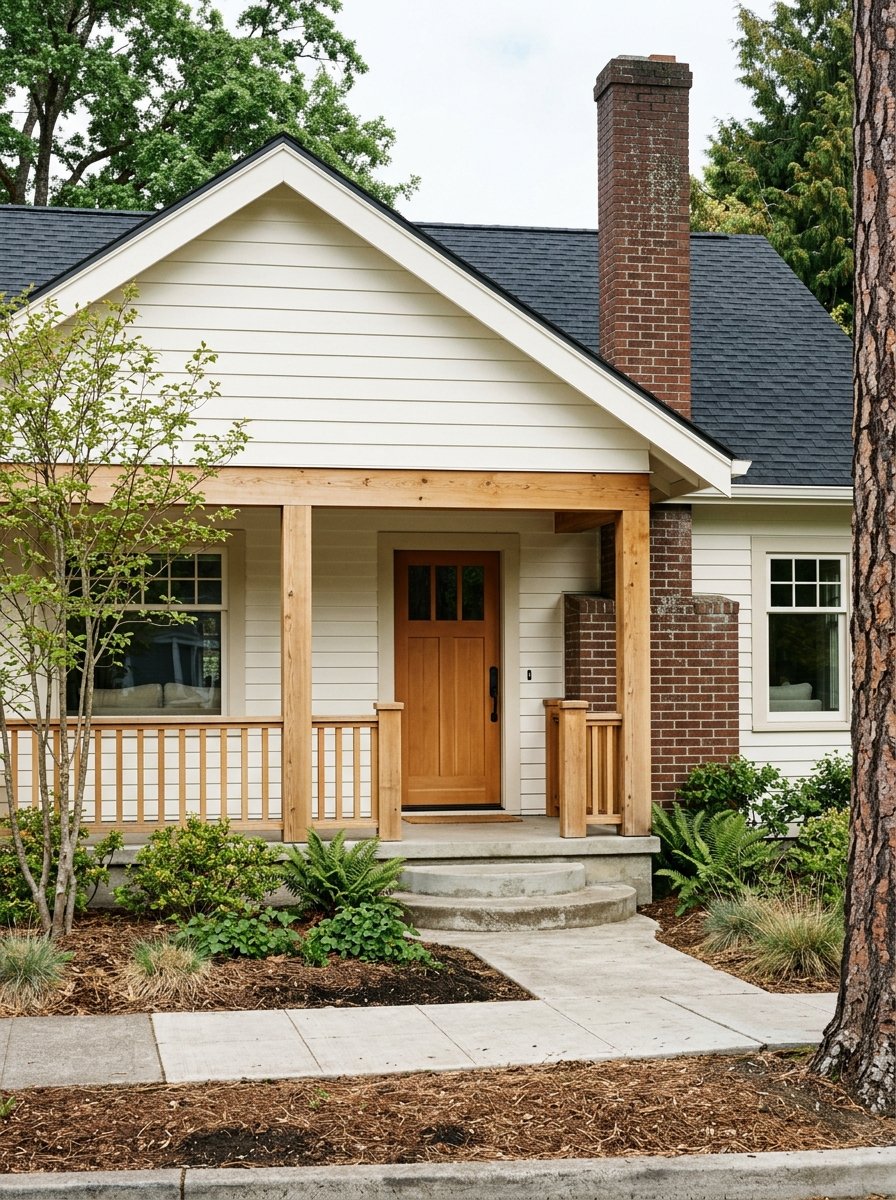
You will often see a mix of home styles that includes Craftsman bungalows, cabins, Tudor and Swiss Chalet houses, and two-story farmhouses. The area also includes some later low-rise apartment buildings and infill housing, especially around the broader neighborhood and near the district’s mixed-use core.
That combination gives Garland a different feel than newer subdivisions. Instead of rows of similar homes, you are more likely to find mature street trees, brick details, alley access to rear yards, and homes on walkable streets with an established pattern.
A big part of Garland’s appeal is its balance of personality and convenience. The district is described by local sources as a historic walking neighborhood with an eclectic mix of vintage and modern businesses.
The business district includes more than 80 businesses offering food, drinks, art, books, music, personal services, pet care, and other everyday stops. Local landmarks and well-known spots in the district include the Garland Theater, The Blue Door Theatre, Spokane School of Improv, Giant Nerd Books, Mark’s Guitar Shop, Rocket Bakery, and Mary Lou’s Milk Bottle Desserts.
For many buyers, that means you are not just choosing a house. You are choosing a neighborhood where grabbing coffee, seeing a movie, browsing local shops, or meeting up with friends can be part of your regular routine.
Garland is one of those Spokane areas where the layout supports getting around without always needing to drive for every errand. Spokane’s 2025 Centers & Corridors study describes the district as having good walking conditions, excellent connectivity, strong destination density, and sidewalk coverage.
The same study identifies Garland as a pedestrian street between North Madison Street and North Howard Street. That helps explain why the district feels active and easy to navigate on foot compared with more car-oriented areas.
Transit is part of the picture too. The study notes STA Route 4 service at roughly four buses per hour, and current STA route information shows service on the Monroe-Garland corridor with a stop at Monroe and Garland.
North Hill’s city profile also notes that downtown Spokane is only minutes away by bus and about a five-minute drive or bike ride. Some residents can even walk downtown in about twenty minutes, which is a meaningful convenience if you want an in-town lifestyle.
Garland is not only about storefronts and historic homes. The broader neighborhood also offers access to outdoor spaces that add to the area’s livability.
According to the North Hill profile, the bluff south of Garland is a place where people can walk and enjoy city views. The neighborhood profile also highlights three nearby parks: B.A. Clark Park, Franklin Park, and Ruth Park.
For buyers, that mix can be appealing because it adds some breathing room to everyday life. You can enjoy a neighborhood business district while still having parks and open-air spaces nearby.
The best way to describe Garland is probably this: it feels like a local main street woven into an older residential neighborhood. The area’s pedestrian-friendly grid, tree-lined streets, entertainment options, and recurring community events all contribute to that feeling.
Local sources note that some businesses still have original 1950s neon signs, which adds to the district’s identity. The Garland Theater and the Milk Bottle are especially recognizable landmarks, and the neighborhood also hosts the Garland Street Fair each summer.
There is also a community-oriented element here. The North Hill Neighborhood Council meets at The Gathering House on West Garland Avenue, which reinforces the idea that Garland is not just a pass-through commercial area. It is part of an active neighborhood with ongoing local participation.
Garland-specific pricing data was not provided in the research, but North Hill numbers can give you a useful starting point since Garland sits within that neighborhood. Third-party market pages cited in the research report show an average home value of $311,956 on Zillow, a March 2026 median sale price of $313,000 on Redfin, and a median list price of $339,950 with 67 homes for sale on Realtor.com.
These are not Garland-only figures, so it is smart to treat them as broad context rather than a block-by-block rule. Even within a smaller district like Garland, pricing can vary based on home style, condition, updates, lot characteristics, and exact location.
Garland has a lot going for it, but it helps to home shop with clear eyes. Because the area includes older homes and an established urban layout, condition and maintenance questions can be especially important.
For example, homes from earlier building eras may have more age-related upkeep needs than newer construction. The mixed-use street pattern can also mean less uniform parking and more activity near commercial corridors, which may be a positive or a drawback depending on what you want.
This is where a thoughtful home search matters. If you love Garland’s character, it helps to compare not just price and square footage, but also block feel, proximity to the business district, and how much updating or maintenance you are comfortable taking on.
If Garland is on your list, here are a few practical ways to approach your search:
Garland can be a strong fit if you want an established Spokane neighborhood with personality, local businesses, and close-in convenience. It may especially appeal to buyers who prefer character and location over brand-new construction and highly uniform housing.
If your priority is a lively neighborhood feel with walkable destinations, historic housing styles, and easy access to downtown Spokane, Garland deserves a closer look. If you prefer a quieter, newer, or more suburban setting, it may be worth comparing Garland with other Spokane neighborhoods before you decide.
The right move is usually not about choosing the most popular neighborhood. It is about choosing the one that fits how you actually want to live.
If you are thinking about buying in Garland or comparing Spokane neighborhoods, working with a local agent who can help you weigh home style, condition, location, and lifestyle fit can make the process a lot clearer. When you are ready to explore your options, connect with John LJ Kennedy for straightforward guidance and local insight.
Stay up to date on the latest real estate trends.
Get assistance in determining current property value, crafting a competitive offer, writing and negotiating a contract, and much more. Contact John today to discuss all your real estate needs!